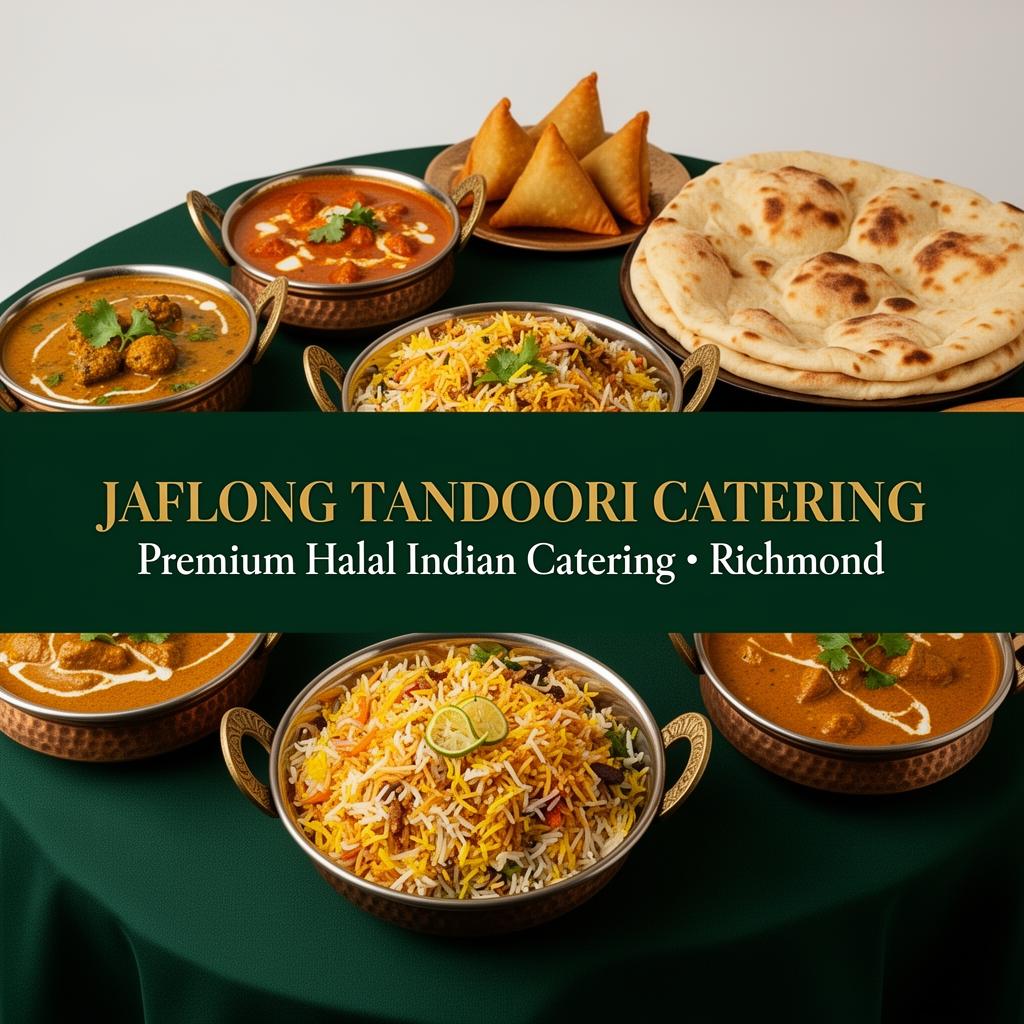
Choosing a venue is the single decision that shapes everything else about an Indian wedding — the guest count, the timings, and crucially whether you can bring in your own caterer. We cook across Richmond upon Thames, Twickenham and Kingston upon Thames most weekends, so this guide is written from the loading bay rather than the brochure.
First: confirm the venue allows external caterers
Venue policies change, and no guide can be a substitute for asking directly. Before you fall in love with a room, ask three questions in writing:
- Do you allow approved external caterers, and is there a supplier fee?
- What kitchen or prep space is available, and for how long before service?
- What are the access, parking and unloading arrangements?
Richmond and the Royal Parks setting
Richmond upon Thames is our home patch. Parkland and riverside settings around Richmond Park suit marquee and outdoor receptions, where catering is normally run from a mobile kitchen or a dedicated prep tent rather than a fixed venue kitchen. Plan for a level, firm surface for the catering unit within a short carry of the dining area, and a power or gas supply agreed in advance.
Twickenham and larger guest lists
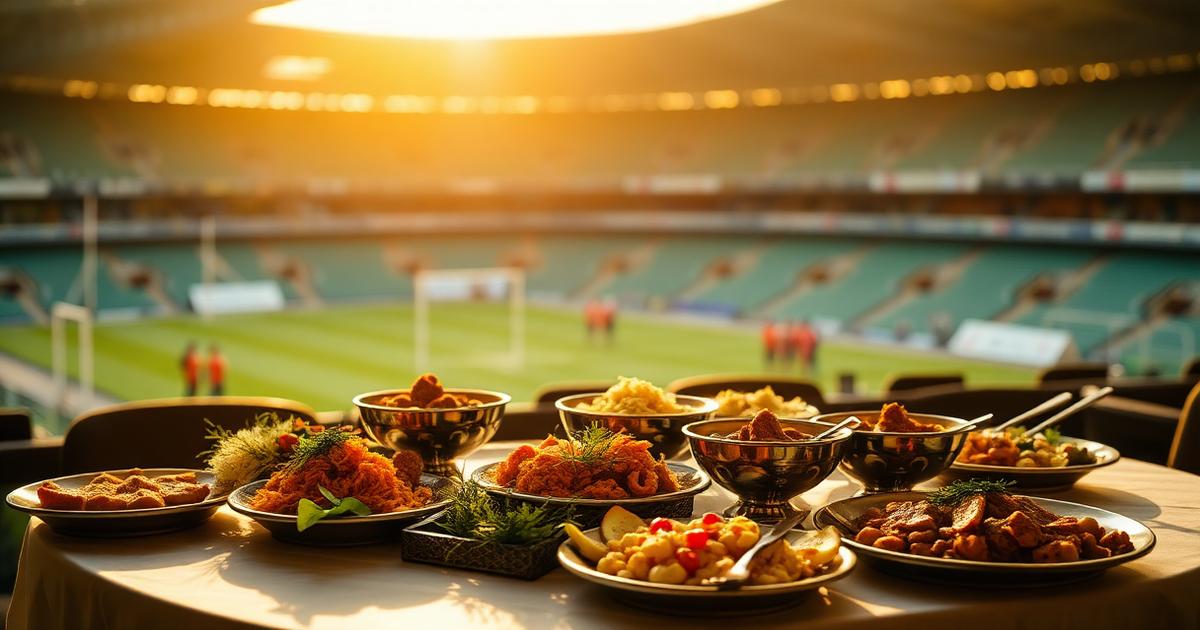
Twickenham's conference and stadium-style spaces are built for volume, which is the right answer for a 300+ guest wedding. They typically have generous back-of-house space and goods lifts, but many operate an approved supplier list — get on it early, or ask whether an exemption is possible for cultural catering.
Hampton Court and heritage venues
Heritage venues around Hampton Court and East Molesey deliver the photography, with the trade-offs you would expect: strict curfews, restrictions on naked flame, limited kitchen access and careful floor protection. These are very workable for Indian catering, provided the caterer visits in advance and plans a chafing-based service rather than freshly prepared cooking.
Kingston upon Thames and the KT venues
Kingston's hotel function rooms, university spaces and riverside venues cover the 80–200 guest range well and usually have a real commercial kitchen you can hire. This is the easiest category for a full Indian menu with multiple live counters.
Community halls and private homes
Halls across TW and KT postcodes remain the most cost-effective option for 100–250 guests and are almost always caterer-agnostic. Check the electrical supply, the number of usable sockets, and whether tables, chairs and crockery are included. For garden weddings at home, the limiting factor is access width for the equipment, not the cooking.
Capacity, at a glance
- Up to 60 guests — private dining rooms, home marquees, restaurant hire.
- 60–150 guests — community halls, hotel function rooms, riverside venues.
- 150–300 guests — larger halls, conference suites, marquees.
- 300+ guests — stadium and conference venues, or a two-marquee layout.
What we need from any venue
Whatever you choose, an Indian wedding menu runs smoothly when the caterer has: a three-hour set-up window, vehicle access within about 30 metres of the service point, running water, and a clearly agreed plan for waste and equipment collection. We carry out a site visit on every wedding booking so none of this is discovered on the day.
Planning a wedding in South West London?
Tell us the venue you are considering and the guest count, and we will tell you honestly whether the layout works and what the menu should look like. Wedding menus start from £25 per head, with bespoke options for larger celebrations.